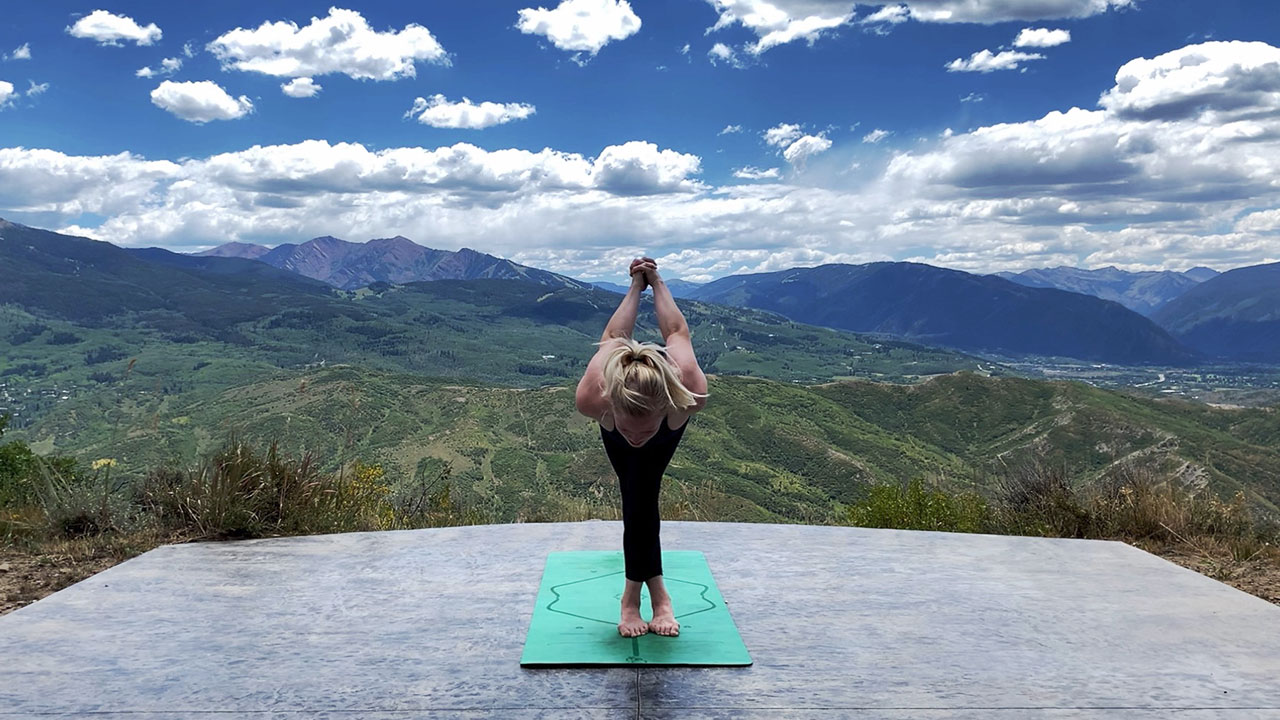
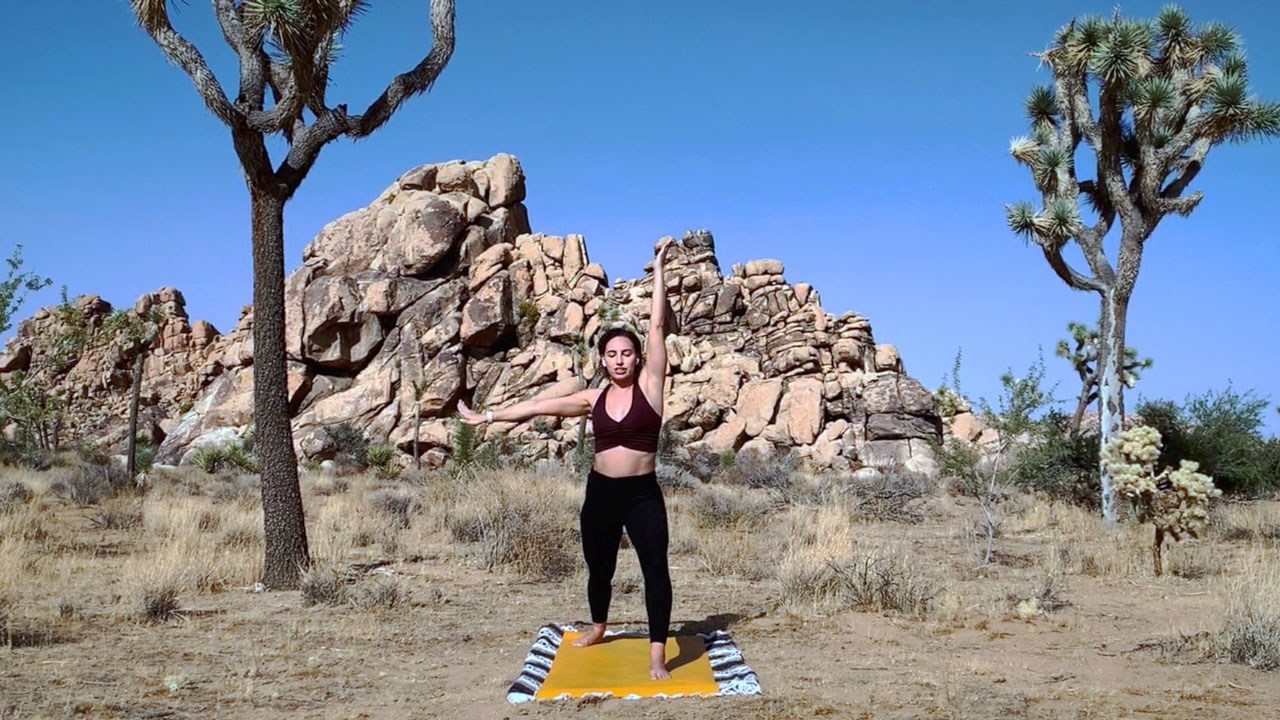
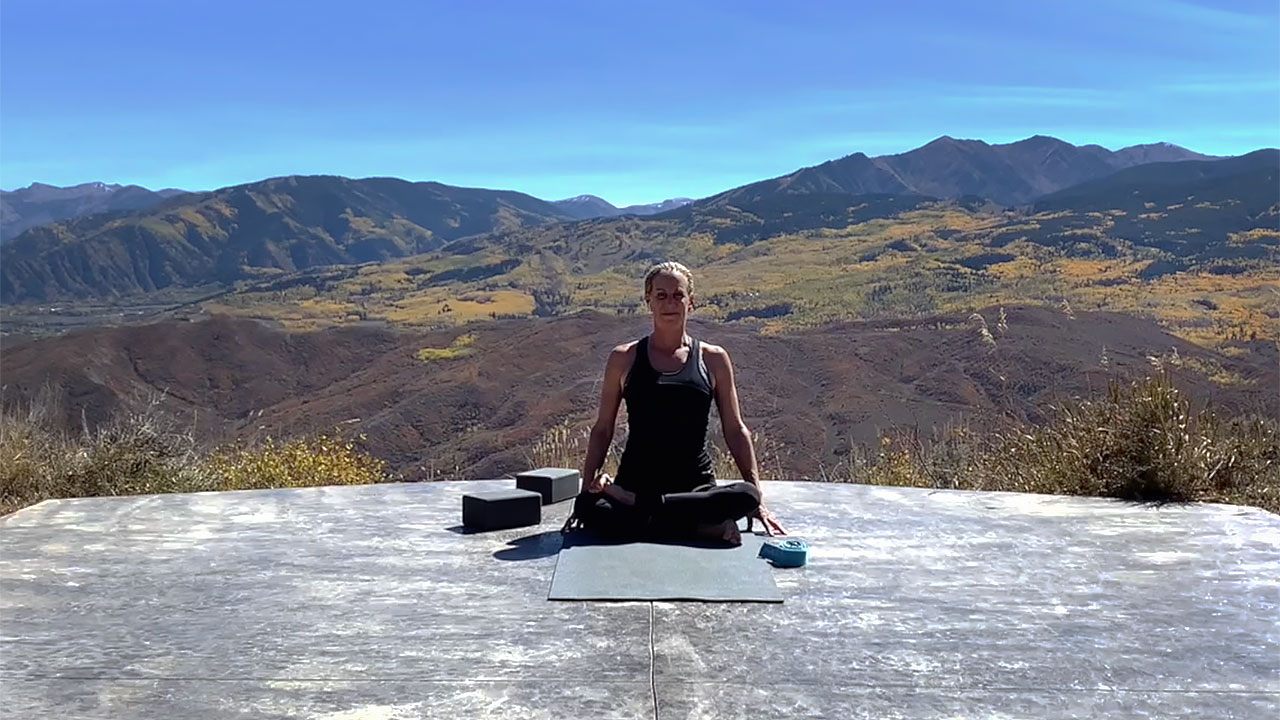
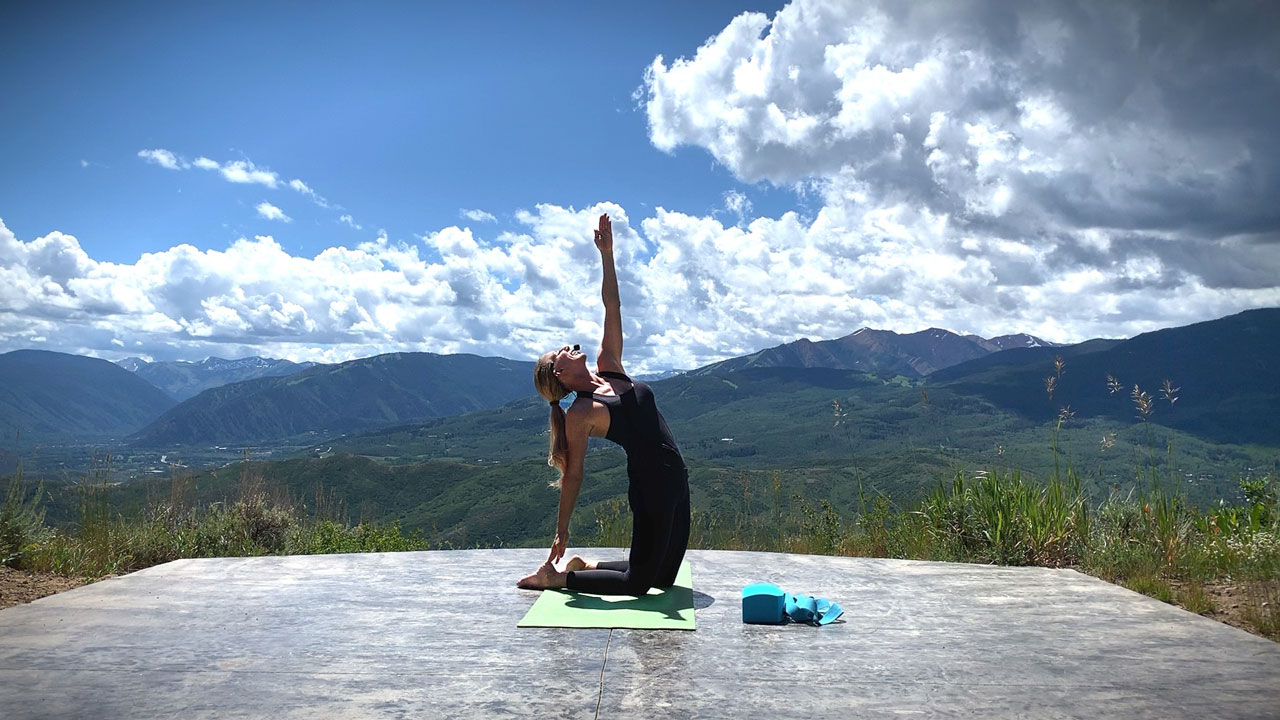
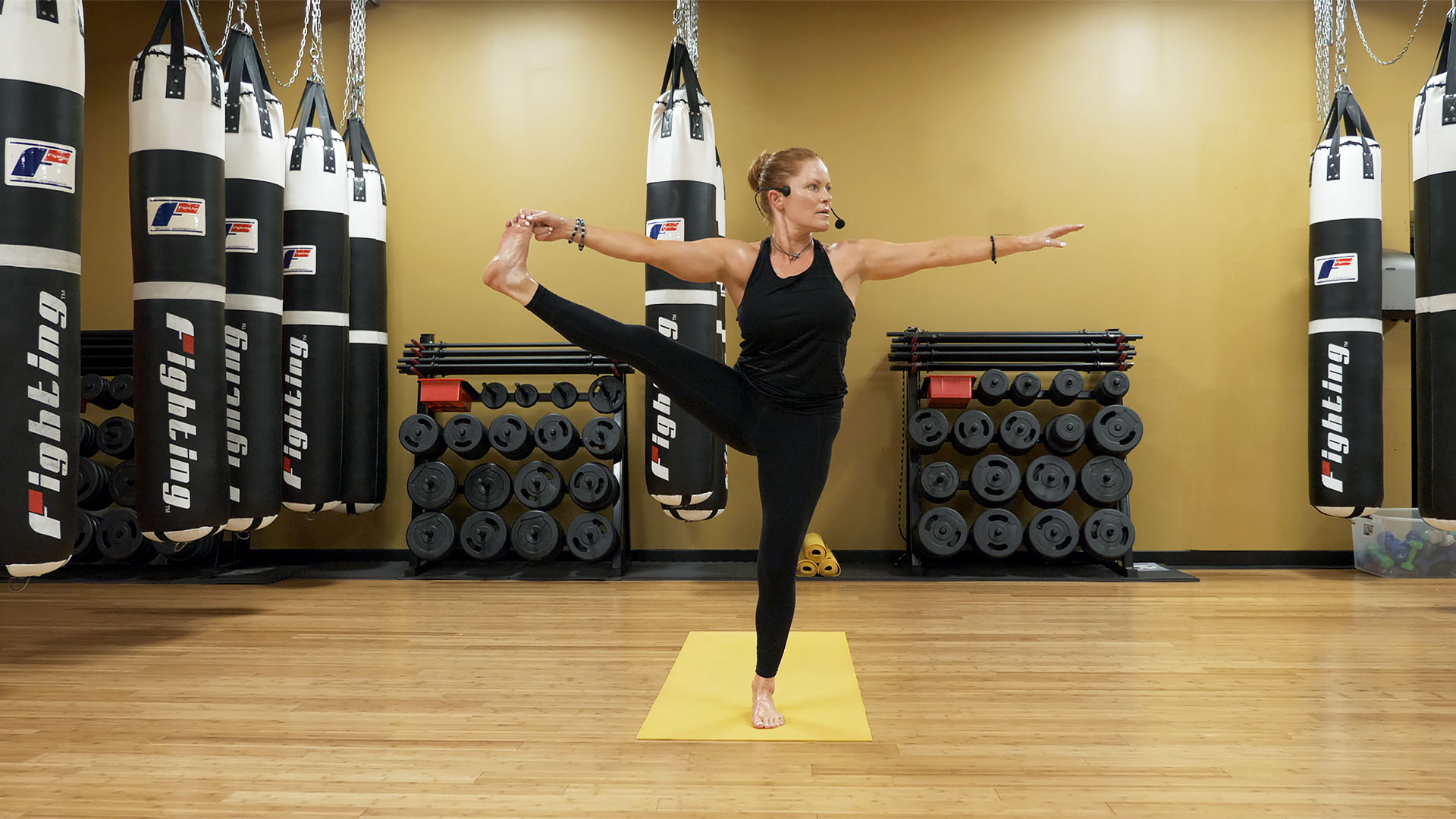
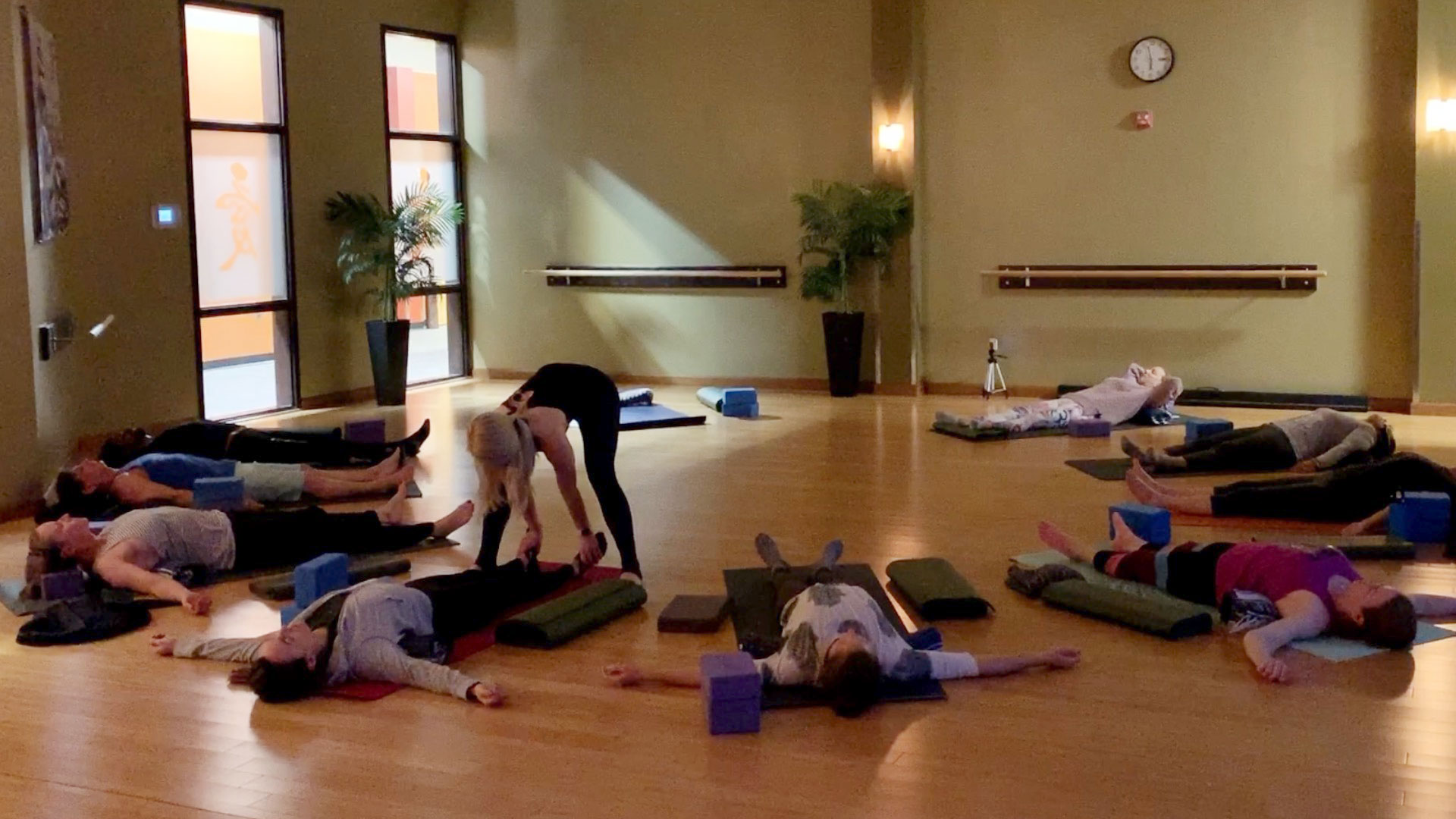
If you have ever tried to picture your teacher training life, you probably felt the pull of two very different worlds. One is a studio room, early mornings, shared breaths, and face-to-face guidance. The other is your own sacred space, a flexible schedule, and the freedom to move through training in rhythm with real life. When people ask about online yoga teacher training vs in person, they are usually asking a deeper question: Which path will truly support my growth?
The honest answer is that both can be powerful. The better choice depends on how you learn, what season of life you are in, and what kind of transformation you are seeking. Certification matters, yes. But so does your nervous system, your schedule, your finances, and your sense of connection.
Online yoga teacher training vs in person: what really changes?
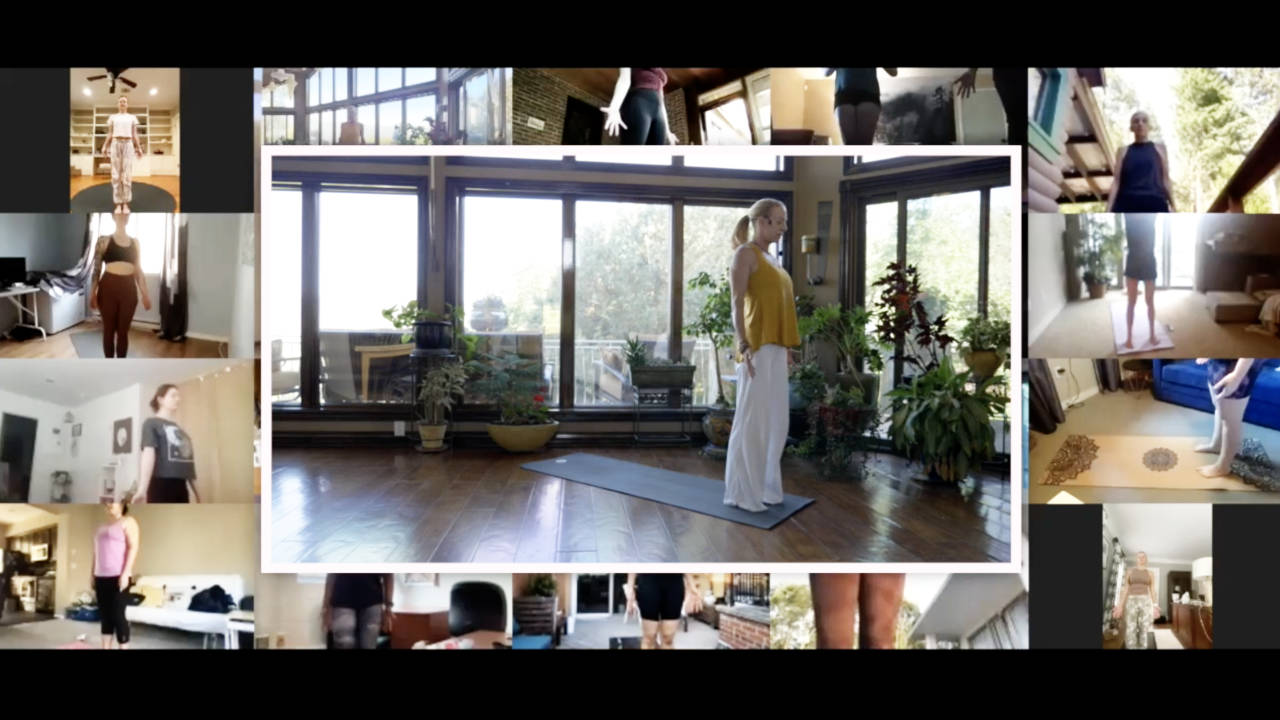
At the surface, the difference seems simple. Online training happens remotely, often with self-paced modules, live calls, recorded lectures, digital practice assignments, and virtual community spaces. In-person training happens in a studio or retreat setting where your learning is embodied in real time with teachers and peers beside you.
But the real shift is not just location. It is structure.
In-person programs usually ask you to shape your life around the training. You show up at set times, move through content together, and absorb energy from the room. There is beauty in that container. It can feel immersive, devotional, and deeply bonded.
Online programs usually shape themselves around your life. That can be a gift if you work full time, parent, travel often, or simply need space to integrate at your own pace. It can also ask more of your self-discipline. Freedom is supportive, but it is still responsibility.
The case for online training
For many modern students, online yoga teacher training opens a door that would otherwise stay closed. Not everyone can step away for three weekends a month or take a multiweek intensive. Real life does not pause because your spirit is ready to grow.
Online learning gives you room to study anatomy after work, revisit philosophy lessons twice, or practice teaching when your home is quiet. That repetition can be incredibly valuable. In a recorded module, you can pause, reflect, take notes, and return when your mind is clearer. In some ways, this can create deeper absorption than a fast-moving in-person weekend.
There is also the gift of accessibility. You are not limited to the school in your ZIP code. You can choose a training whose values, teachers, and teaching style actually resonate with you. That matters more than many people realize. A program can meet all technical standards and still not feel aligned with your voice.
For students who want a heart-centered path with spiritual depth, creative expression, and a sense of global community, online training can be surprisingly intimate when it is designed with care. A strong digital school does not just deliver lectures. It creates touchpoints for mentorship, reflection, live connection, and personal transformation.
Cost is another practical factor. Online trainings are often more affordable than in-person programs, especially when you account for gas, flights, lodging, meals, and time away from work. Lower cost does not automatically mean lower quality. It simply reflects a different delivery model.
Where online learning can feel harder
The challenge with online training is not that it is less real. It is that it asks you to create your own container.
No one is physically waiting for you in the studio. No commute separates class time from home life. Your phone, your laundry, and your unfinished to-do list all exist right beside your mat. If you thrive on external accountability, that can be difficult.
Hands-on feedback is also different. A teacher may watch you on camera, assess your movement, and offer verbal correction, but it is not the same as being physically adjusted in the room. Some students learn very well through verbal cues and self-awareness. Others benefit from direct in-person refinement.
Community can also vary. Some online cohorts become close, supportive, and lasting. Others feel quieter if students are not actively participating. The format matters, but so does facilitation. A well-held online community can be warm and nourishing. A weak one can feel lonely.
What in-person training does beautifully
There is a reason in-person teacher training still carries so much emotional weight. Shared physical space changes the learning field.
You feel the cadence of the room. You hear how someone teaches before you ever understand why it works. You watch bodies move, witness nerves soften, and learn from side conversations over tea and tired laughter at the end of a long day. Much of this education is subtle, and it can be hard to replicate digitally.
In-person training is also helpful for students who want immediate feedback. Teachers can observe your alignment from multiple angles, track how you hold space, and offer nuanced guidance in real time. If physical adjustments, partner work, and embodied practice labs are central to how you learn, in-person study may feel more natural.
There is also the power of immersion. When you leave your everyday environment and enter a dedicated learning space, your attention changes. You are more likely to stay focused, stay present, and let the training reshape you without as many interruptions.
Where in-person training can be limiting
The same structure that makes in-person training feel sacred can also make it hard to access.
A fixed schedule does not work for everyone. If you are balancing a job, caregiving, chronic fatigue, or financial pressure, attending in person may create more stress than support. And while immersion can be beautiful, intensity is not always the same thing as integration. Some students leave an in-person weekend inspired but overwhelmed, with little time to process what they learned before the next session begins.
Geography matters too. You may find a local program that is convenient but not fully aligned with your values. Or you may discover a dream training in another state and realize the travel costs make it unrealistic. Those are not small details. They shape the entire experience.
How to choose the right path for your learning style
When comparing online yoga teacher training vs in person, it helps to stop asking which one is better in general and start asking which one is better for you.
If you are self-motivated, reflective, and able to create steady practice rhythms at home, online learning may serve you beautifully. If you appreciate time to revisit material and integrate slowly, it can feel deeply supportive. It is especially strong for students who want flexibility without giving up depth.
If you learn best through live energy, spontaneous interaction, and immediate physical feedback, in-person training may be worth the extra logistics. If being in the room helps you stay accountable and emotionally connected, that matters.
Some students also need to ask a more tender question: what kind of support will help me stay open? For one person, staying home creates safety and spaciousness. For another, leaving home creates the very separation needed to hear their own inner voice.
A blended model may be the sweet spot
There is a reason so many students now seek programs that combine the strengths of both formats. A thoughtful online training with live mentorship, practice teaching labs, community circles, and optional retreats can offer both flexibility and connection.
This is where modern yoga education has become more creative. The old assumption that online means impersonal no longer holds true when a school is intentional about experience. Digital learning can still be soulful. It can still be rigorous. It can still change your life.
That is especially true when the training is built around more than information alone. When a program honors practice, presence, voice, rhythm, and real community, online space becomes more than a screen. It becomes a living classroom. This is part of what makes a program like Drishti Beats resonate with students who want recognized certification without losing the heart of the journey.
Ask these questions before you enroll
Before you commit, look beyond format. Ask whether the program is Yoga Alliance approved if that matters for your goals. Ask how feedback is given, how often you will interact with faculty, what community support exists, and whether the curriculum reflects the kind of teacher you hope to become.
Also notice your body when you read about the program. Do you feel expanded, grounded, and curious? Or pressured and uncertain? A teacher training is not just an educational purchase. It is a relationship with a lineage, a learning environment, and a version of yourself you are growing into.
The right path is the one that helps you stay devoted, not depleted. Choose the format that allows you to listen deeply, practice consistently, and grow in a way that feels honest. Your training should not force you away from your life. It should help you meet your life with more presence, more purpose, and a steadier inner rhythm.