A lot of people ask this question right after they feel the pull to teach but before they trust the path in front of them. Is online yoga teacher training legit? It can be – and often is – but legitimacy depends on what kind of training you choose, how it is structured, and what you hope to receive from it.
That answer may feel less satisfying than a simple yes or no, but yoga rarely lives in absolutes. A meaningful teacher training is not just a stack of videos or a certificate at the end. It is a guided process that shapes how you practice, how you listen, how you hold space, and how you begin to teach from a place that is honest and embodied. Online education can absolutely support that kind of transformation. It just has to be built with integrity.
What makes online yoga teacher training legit?
A legitimate online training offers more than convenience. It has a clear curriculum, qualified teachers, ethical standards, thoughtful sequencing, and a structure that supports real learning rather than passive consumption. If a program is recognized by Yoga Alliance, that can add a layer of credibility, especially for students who want a widely understood certification pathway. But registration alone does not guarantee depth.
A strong online training should help you study yoga philosophy, anatomy, teaching methodology, sequencing, cueing, ethics, and the subtle inner work that shapes your voice as a teacher. It should also create some form of feedback loop. That might look like live sessions, mentorship, practice teaching, written assignments, peer connection, or faculty review. Without reflection and response, training can become informational instead of transformational.
This is where people sometimes confuse format with quality. Online is not the problem. A weak program is the problem. An in-person training can be shallow, rushed, or disconnected. An online training can be deeply immersive, beautifully taught, and life changing. The medium matters less than the intention and design behind it.
Why people question whether online yoga teacher training is legit
The skepticism makes sense. Yoga teacher training has traditionally been associated with long weekends in a studio, intensive retreats, close teacher contact, and physical presence in a room. For many practitioners, that image still represents the gold standard.
There is also a fair concern underneath the question. Teaching yoga is relational. You are not only learning poses. You are learning to read energy, offer language with care, and support other human beings in vulnerable spaces. People want to know whether that kind of skill can really be cultivated through a screen.
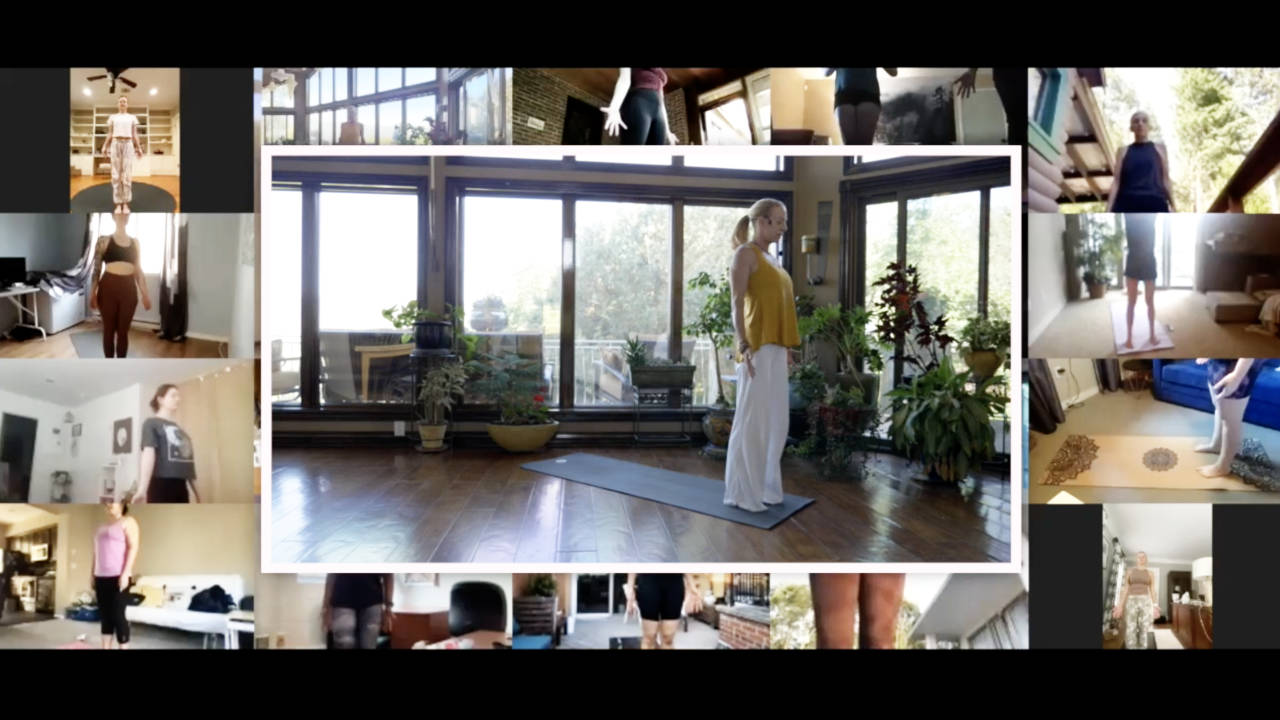
The honest answer is that some parts translate beautifully online, and some parts require more intention. Philosophy study, anatomy lectures, meditation, pranayama, cueing theory, sequencing, and self-inquiry can work extremely well in a digital setting. Hands-on assists, immediate room reading, and the subtle confidence that comes from teaching live bodies in a shared space may take extra practice beyond the core training.
That does not make online learning less real. It simply means the best students understand that certification is one layer of becoming a teacher, not the final layer.
Who online training serves especially well
Online teacher training can be a powerful fit for students who need flexibility without wanting to sacrifice depth. That includes working adults, parents, caregivers, travelers, people in rural areas, and practitioners who do not live near a studio whose values match their own.
It also serves a certain kind of learner especially well: the person who wants space to absorb, revisit lessons, journal, practice slowly, and let the teachings settle into the body over time. In a self-paced or hybrid environment, there is often room for digestion that intensive weekend formats do not always offer.
For many students, this pacing creates a more grounded transformation. Instead of trying to absorb everything in one emotional rush, they can return to material, repeat practice, and notice how the teachings change them in real life. That is a valid and often beautiful way to learn.
Where online training can fall short
To answer is online yoga teacher training legit with honesty, we also have to name the trade-offs. Online learning asks more of your self-discipline. No one is physically waiting for you to walk into the room. You have to choose your practice again and again.
It can also feel isolating if the program does not create real community. If there are no live touchpoints, no faculty access, and no chance to practice teach with others, students may finish with knowledge but little confidence. That gap matters.
Another challenge is embodiment. Yoga is lived through breath, sensation, presence, and relationship. A screen can support that, but it cannot manufacture it. Students still need to practice teaching out loud, refine their observation skills, and spend time with actual humans if they want to lead classes well.
This is why the strongest online trainings do not pretend to replace every dimension of in-person experience. They offer a rich foundation and invite continued practice, mentorship, and community after certification.
How to tell if an online yoga teacher training is truly credible
Start with the teachers. Who is leading the training, and what is their relationship to yoga beyond branding? Look for faculty with real teaching experience, a grounded understanding of lineage and ethics, and the ability to communicate clearly and compassionately.
Then look at the curriculum. If a program focuses almost entirely on asana and leaves out philosophy, anatomy, history, ethics, and practice teaching, it is probably not giving you a full education. A legitimate training should prepare you to teach responsibly, not just perform sequences.
Pay attention to support. Do you receive feedback on assignments? Is there mentorship or faculty interaction? Are there live calls or community spaces where questions can breathe? Learning to teach yoga requires nuance, and nuance usually needs conversation.
Also look closely at the energy of the program itself. Does it feel rushed, salesy, or overly simplified? Or does it feel devotional, spacious, and thoughtfully guided? Your nervous system often knows the difference before your mind explains it.
If the training is Yoga Alliance certified, that may be helpful, especially if you want a recognizable credential. Still, do not stop there. Ask whether the school actually helps students become clear, confident, ethical teachers. A certificate may open a door, but integrity is what allows you to walk through it.
Is online yoga teacher training legit for becoming a real teacher?
Yes – if you are willing to treat the experience as a true apprenticeship of self and service.
A real teacher is not made legitimate by a room, a website, or even a certification alone. A real teacher is shaped by study, practice, humility, and the willingness to keep listening. Online training can initiate that process in a profound way. For many graduates, it becomes the beginning of a new relationship with voice, purpose, and community.
What matters is whether the program asks something real of you. Does it invite disciplined practice? Does it challenge you to understand yoga beyond movement? Does it help you teach from embodiment rather than imitation? If the answer is yes, the path is legitimate.
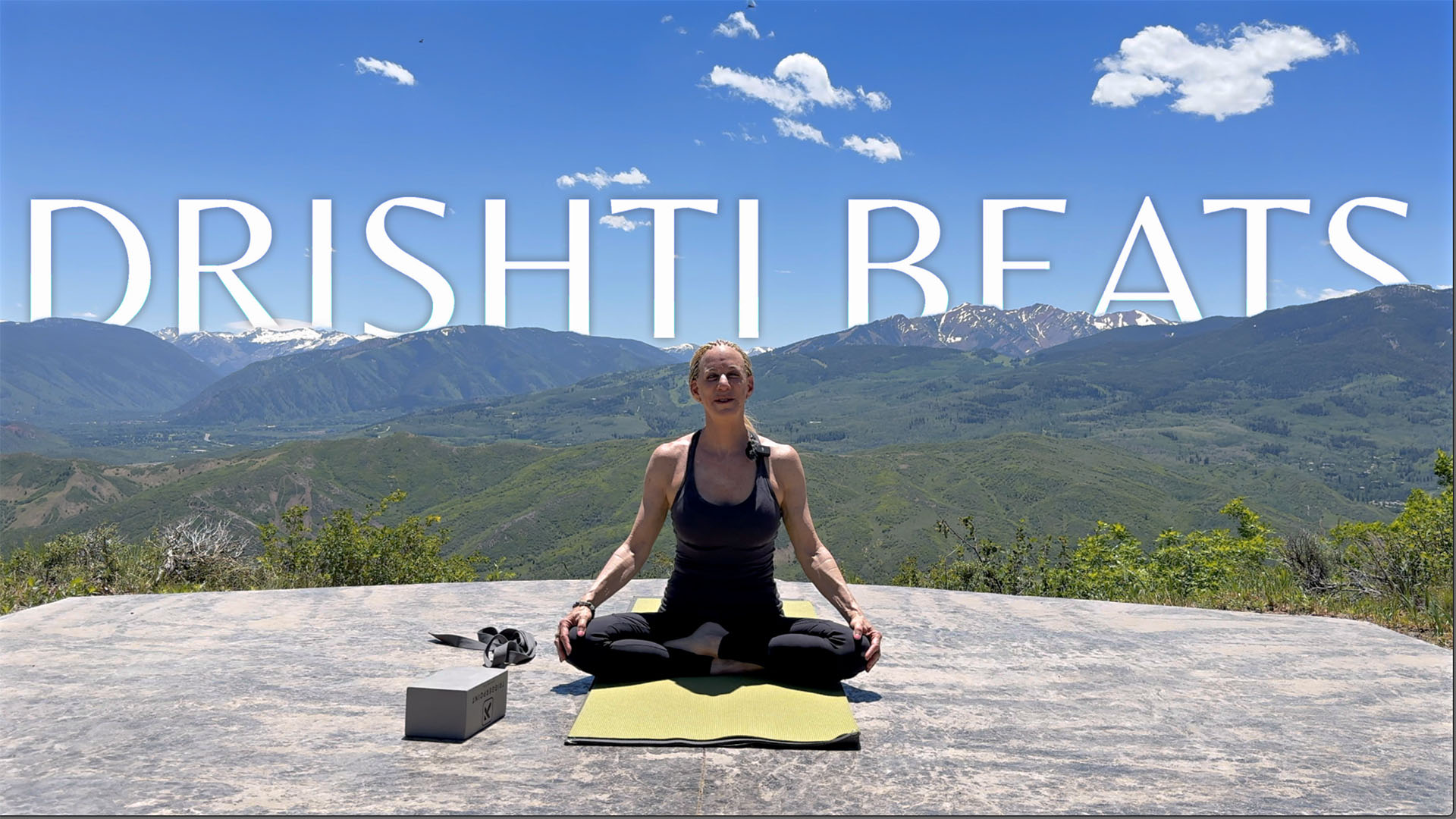
There is also a deeper truth here. Many students come to online training because they are seeking more than a job skill. They are seeking a life that feels aligned. They want to share what has healed them. They want to study in a way that honors spirit, creativity, and human connection. A well-crafted digital training can hold all of that. In spaces like Drishti Beats, where education is woven with rhythm, devotion, and community, online learning can feel surprisingly intimate.
The better question to ask
Sometimes the question is online yoga teacher training legit is really covering a more personal fear: Will this count? Will I be respected? Will I actually be ready?
Those are tender questions, and they deserve tenderness. The right training will not hand you instant certainty. It will help you build trust in your own practice, your own voice, and your capacity to keep growing. That is much more valuable than the appearance of readiness.
So ask a fuller question. Not just whether online training is legitimate, but whether this specific training is rooted, ethical, connected, and capable of changing you. Ask whether it supports the kind of teacher you want to become, not just the credential you want to earn.
When a program offers rigor, mentorship, honest study, and space for inner transformation, online yoga teacher training is absolutely legit. And for the right student, it is not a compromise at all. It is the doorway that makes the journey possible.
Choose the doorway that lets you show up fully. The depth you bring to the path will always matter more than the format that first welcomed you in.