Not all online trainings feel like yoga. Some feel like a stack of videos, a quiz, and a certificate at the end. If you are searching for the best online yoga teacher training programs, you are probably looking for more than convenience. You want a program that honors the roots of the practice, fits real life, and helps you grow into your own voice as a teacher.
That is the real question behind the search. Not just which program is cheapest or fastest, but which one will actually shape you. The right training should deepen your practice, expand your understanding, and leave you more grounded, more skillful, and more connected to why you want to teach in the first place.
What makes the best online yoga teacher training programs stand out
A strong online training does not try to imitate an in-person studio experience in a flat, lifeless way. It uses the strengths of digital learning well. That means clear teaching, thoughtful pacing, flexible access, and real support when questions come up.
The best programs usually share a few qualities. First, they offer a curriculum that goes beyond asana. You should see anatomy, philosophy, ethics, sequencing, cueing, meditation, pranayama, and practice teaching woven into the journey. A teacher training that focuses mostly on pose breakdowns may help you memorize shapes, but it will not fully prepare you to hold space for students.
Second, the learning experience should feel human. Self-paced access matters, especially for busy adults balancing work, family, and everything else. But flexibility alone is not enough. Look for mentoring, feedback, community spaces, live calls, or some kind of real interaction. Teaching yoga is relational. Your training should reflect that.
Third, credibility matters. If becoming a registered teacher is part of your path, a Yoga Alliance-recognized school can be important. That said, a credential is only one piece. A program can meet standards on paper and still feel hollow. The strongest schools combine recognized certification with depth, integrity, and a clear teaching lineage.
How to choose a program that fits your path
The best online yoga teacher training programs are not identical, because students are not identical. One person wants to teach public classes within six months. Another wants to deepen a private practice and maybe teach later. Someone else is already certified and ready for advanced study.
Start with your season of life. If your schedule is full and unpredictable, self-paced learning may be essential. If you learn best through structure, a program with live sessions, deadlines, and cohort support may help you stay engaged. There is no gold star for choosing the most intense format. The right fit is the one you can truly absorb.
Then look at teaching style and values. Some programs lean athletic and fitness-forward. Others are rooted in spiritual practice, subtle body awareness, trauma-informed teaching, or devotional study. None of those directions are automatically better than the others, but they create very different teachers. If you want your training to feel heart-centered and transformative, choose a school that speaks that language clearly.
It also helps to pay attention to the sensory experience of the training. This is often overlooked. Does the program feel dry and purely academic, or does it invite embodiment? Does it create space for reflection, ritual, breath, and inner listening? Especially in an online setting, presence matters. A school that can create connection through a screen is doing something meaningful.
Signs a program may look good but feel thin
Beautiful branding can make almost any training look profound. A polished website, a discount countdown, and a long list of modules do not always add up to a quality education. Sometimes what is marketed as comprehensive is really just overloaded.
A few red flags are worth noting. Be cautious if the curriculum feels vague, if lead teachers are hard to identify, or if support seems minimal once you enroll. You also want to be wary of programs that promise certification with very little emphasis on practice teaching and feedback. Watching content is not the same as learning to teach.
Another trade-off to consider is speed. Some students want to move quickly, and that can work if the program is well designed and the student is deeply committed. But yoga teaching asks for integration. You are not just collecting information. You are refining your presence, your language, and your discernment. A training that gives you room to absorb what you are learning often serves you better in the long run.
Online training can be deeply transformational
There is still a lingering idea that online teacher training is somehow less real than in-person study. That may have been true in some early formats, but it is no longer a fair assumption. Online learning has matured, and for many students it offers something surprisingly powerful.
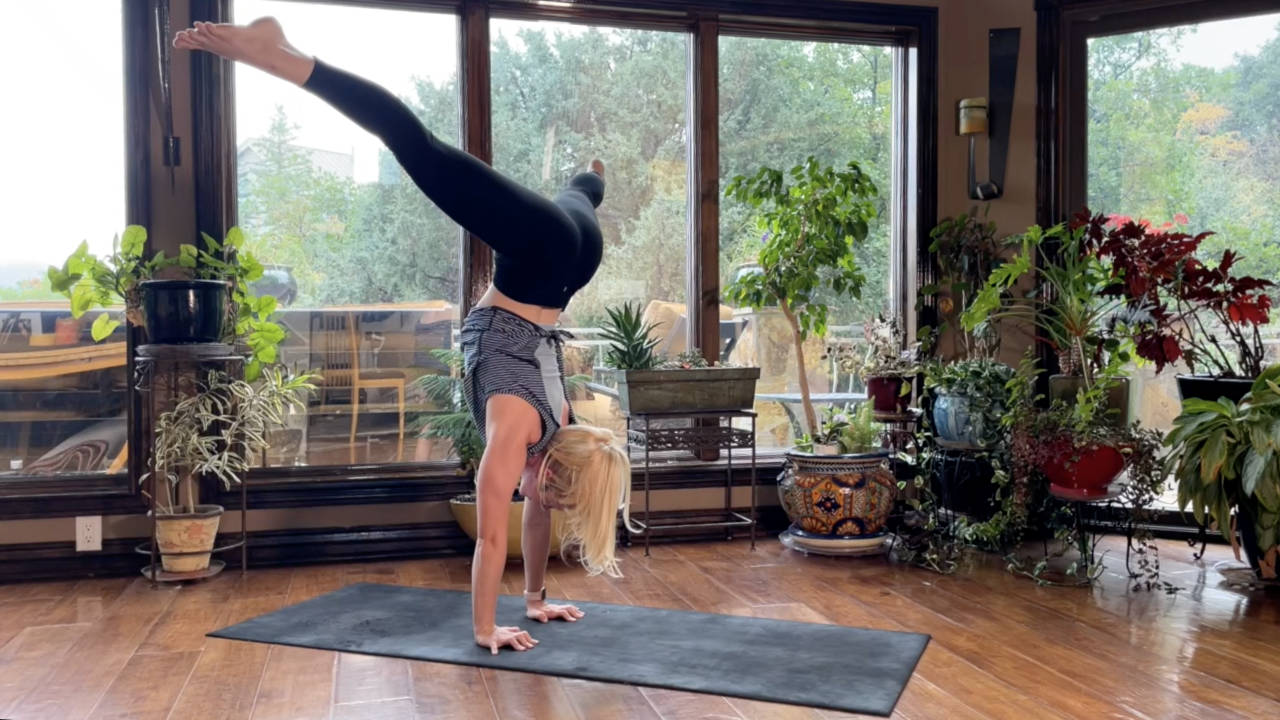
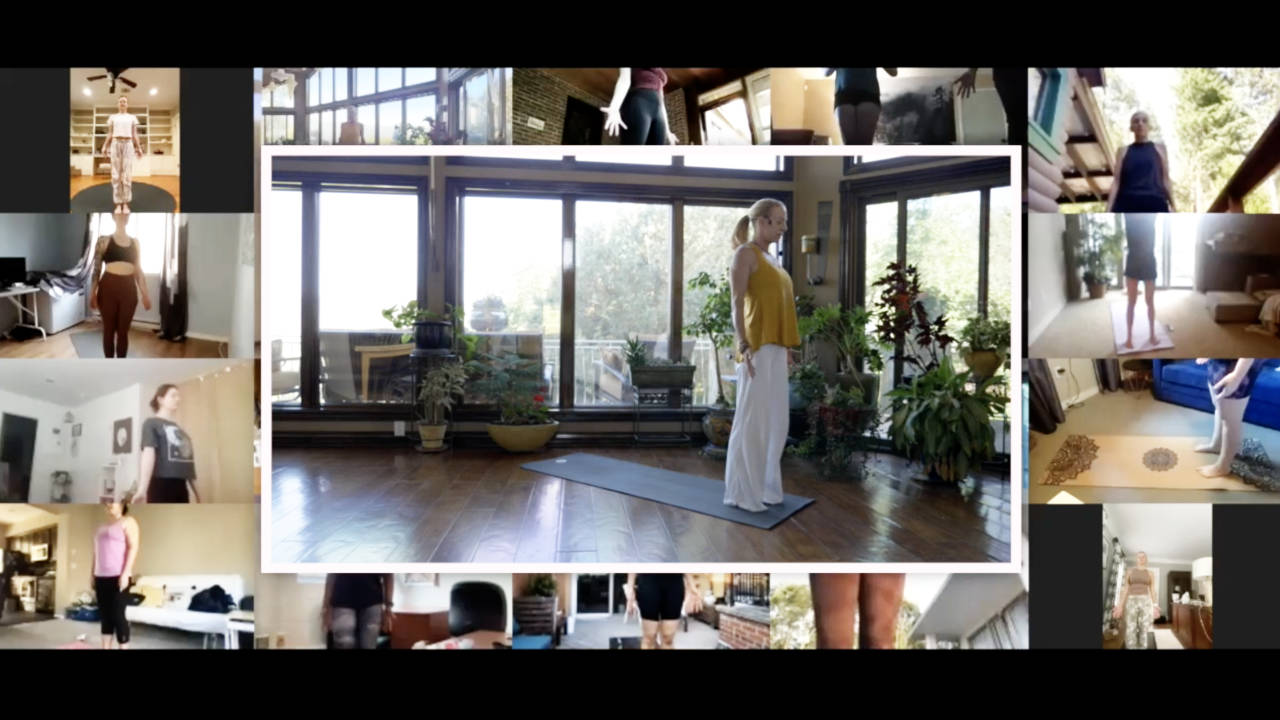
Practicing and studying from home can create intimacy. You are learning inside your real life, not in a retreat bubble that disappears the moment you return home. The teachings meet you where you actually live. You notice how breath supports you after a hard workday, how philosophy lands during a relationship shift, how your voice changes as your confidence grows. That kind of integration is not a lesser experience. In many ways, it is the work.
For students who value spiritual depth, online training can also create a quieter container. Without the pressure of constantly being seen in a room, some people listen more honestly to themselves. They ask better questions. They develop a teaching voice that is less imitative and more authentic.
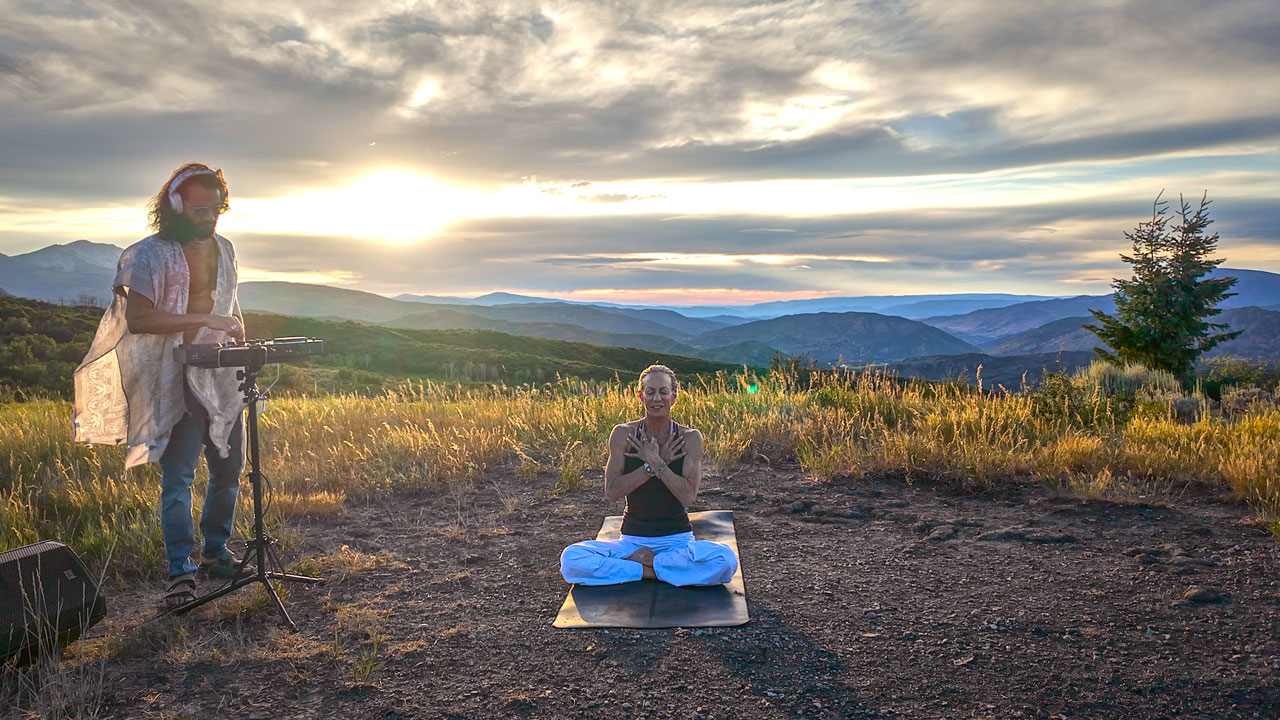
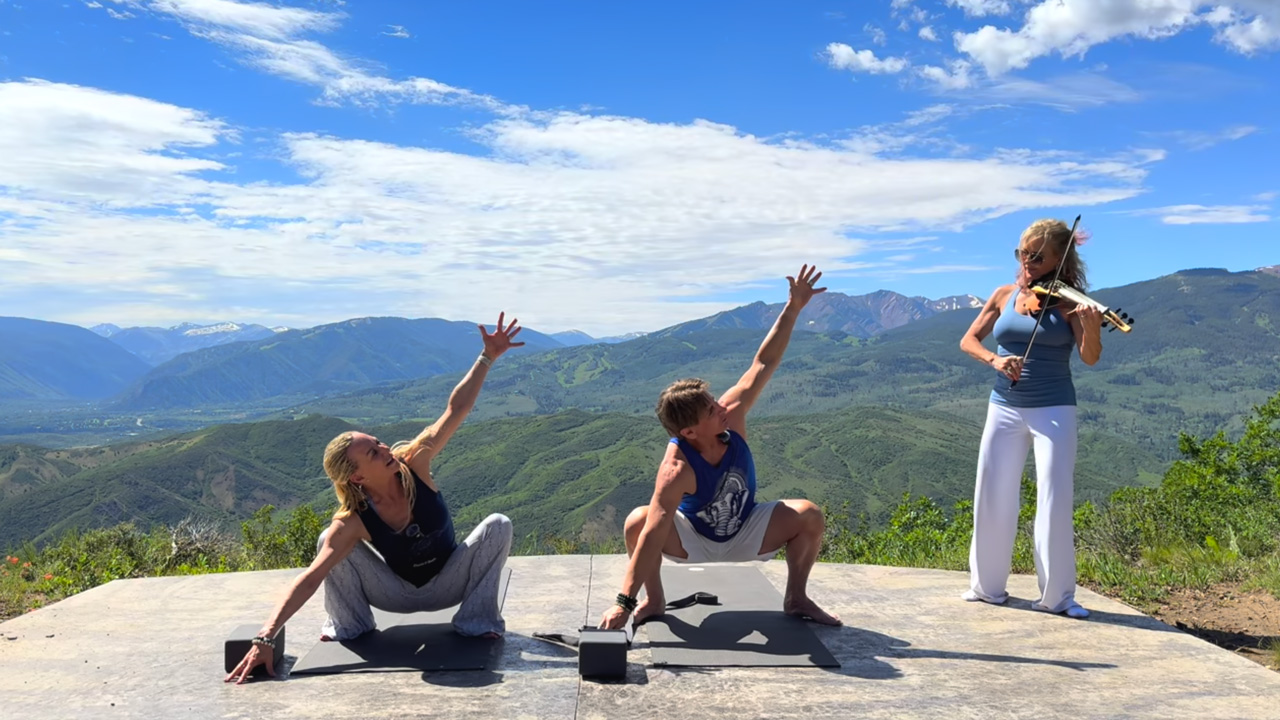
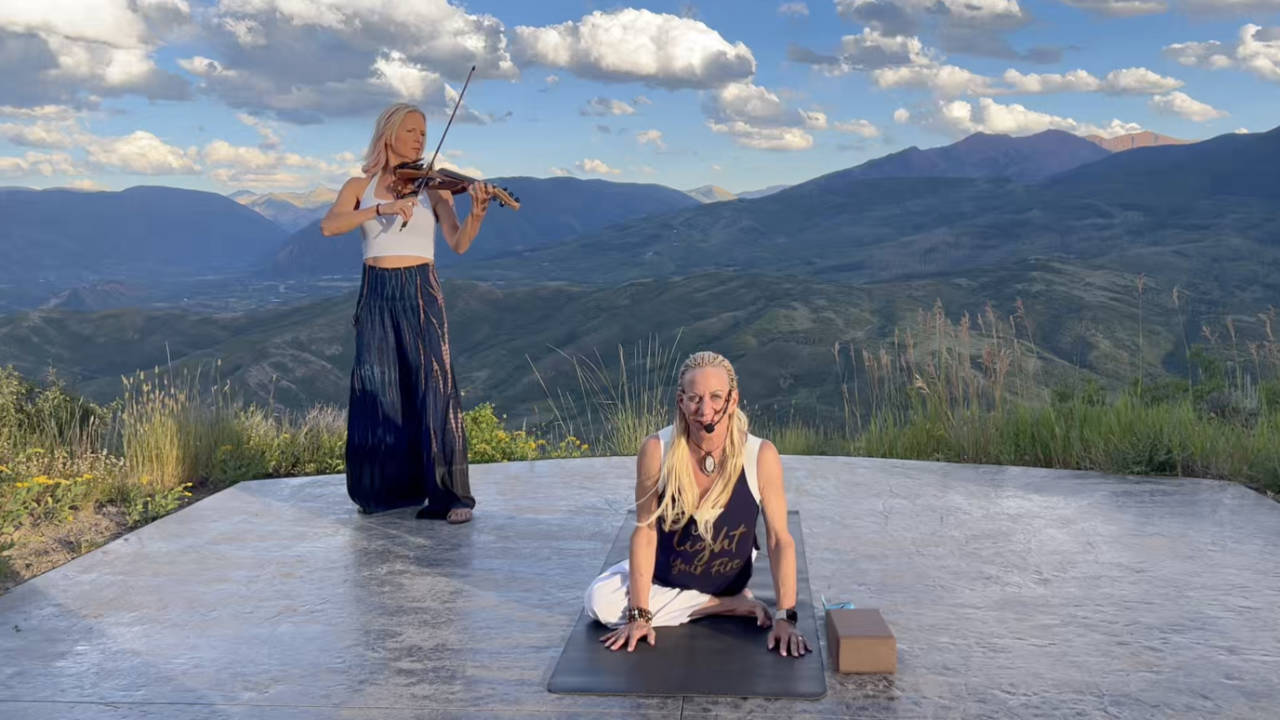
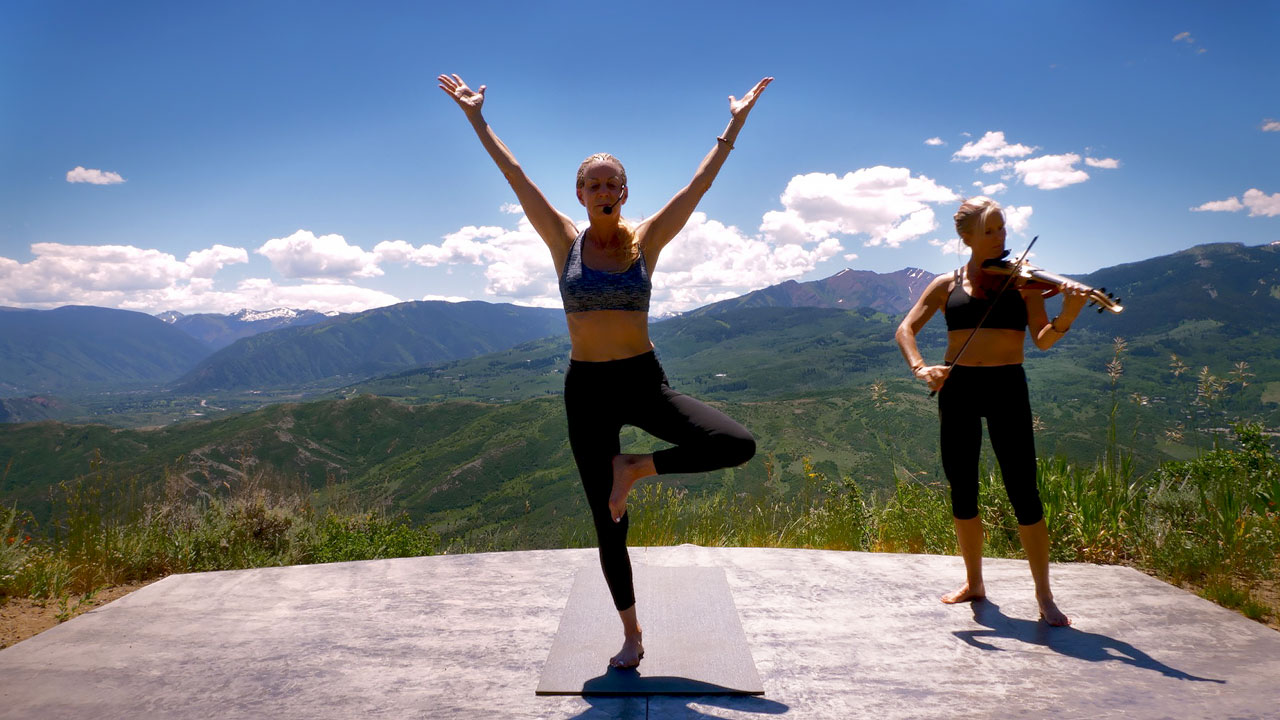
This is one reason programs that blend wisdom teaching, embodiment, and creative expression can feel so alive online. When movement, meditation, reflection, and even music are woven together with intention, digital learning becomes more than convenient. It becomes immersive.
What aspiring teachers should look for first
If you are choosing your first 200-hour program, focus less on hype and more on foundation. You need a school that teaches the basics well, but not in a mechanical way. You should leave understanding how to build a safe class, how to offer clear cues, how to work with breath, and how to teach from more than memorization.
You also want a program that helps you examine why you want to teach. The strongest new teachers are not always the most advanced practitioners in the room. They are often the ones who have done honest inner work and learned how to serve students with humility, steadiness, and care.
A thoughtful 200-hour training should give you both structure and soul. It should challenge you, but it should also meet you with compassion as you grow.
What experienced teachers should expect from advanced study
For teachers entering a 300-hour or 500-hour path, the standard shifts. At that level, you are not just learning how to teach. You are refining your methodology, deepening your philosophy, and clarifying your purpose.
The best online yoga teacher training programs for advanced students create space for nuance. They explore subtler aspects of sequencing, energetics, mentorship, and leadership. They support the evolution of your voice rather than trying to make everyone teach the same way.
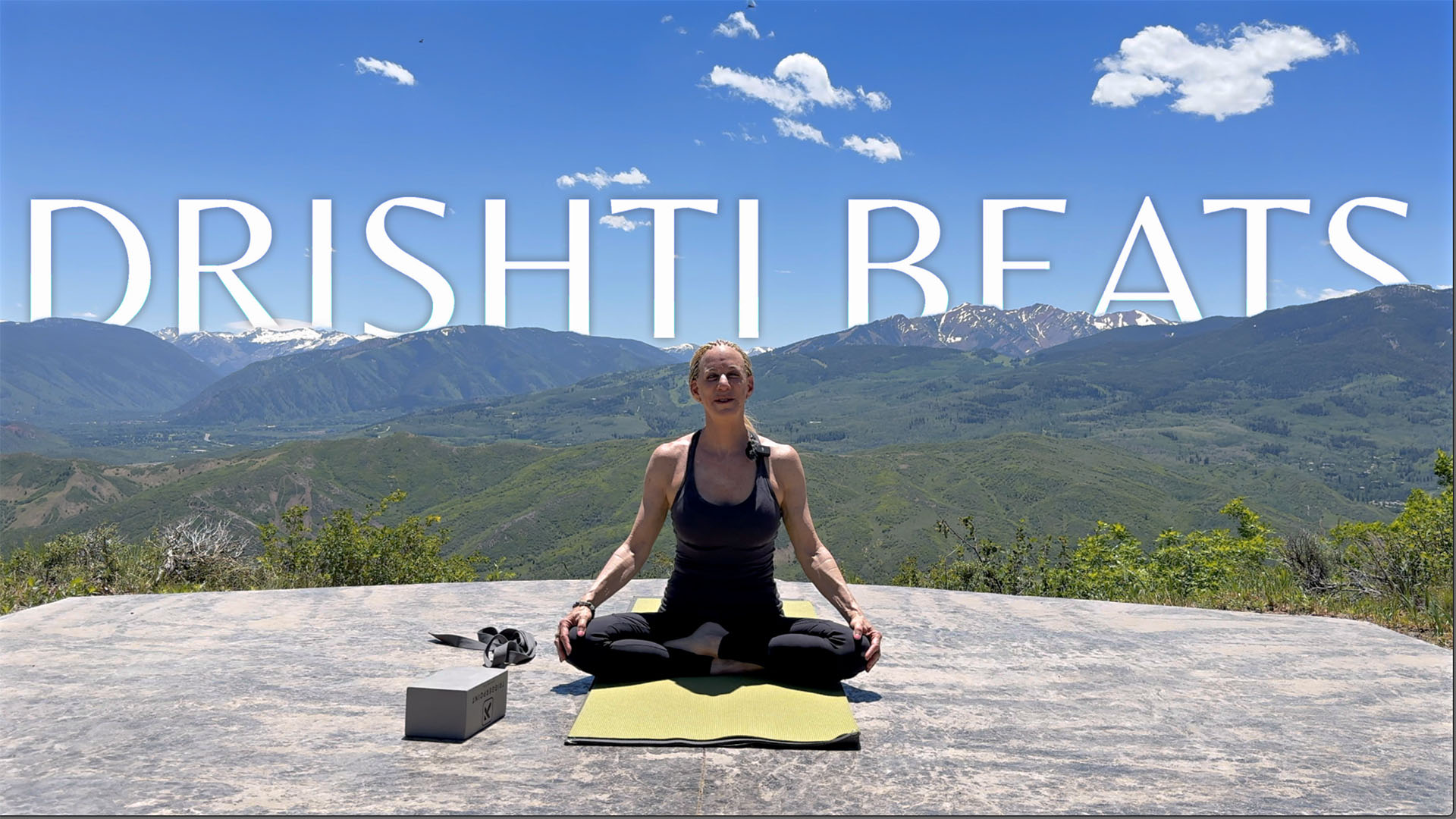
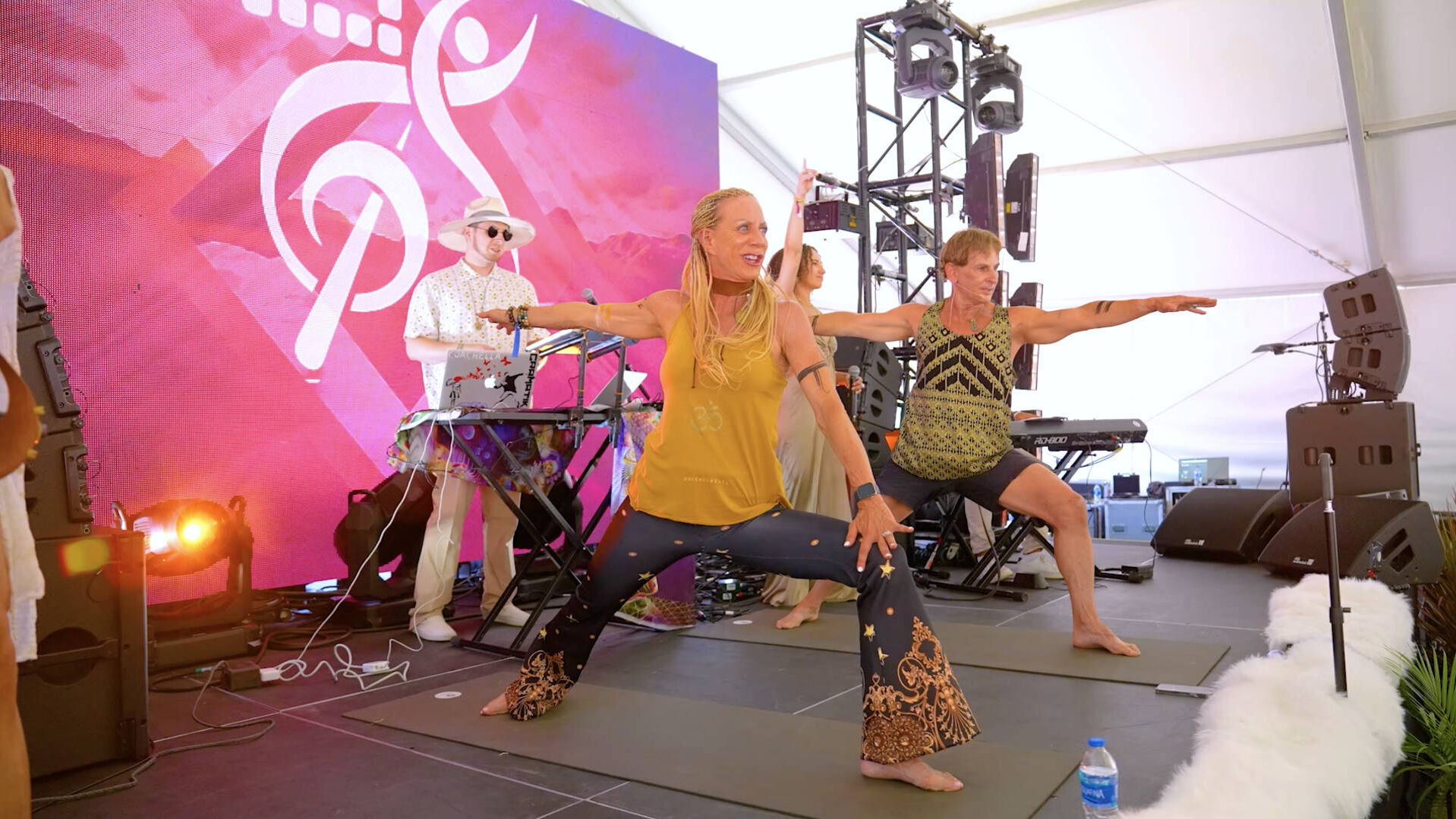
This is where brand and lineage matter even more. If a school approaches yoga as both discipline and devotion, that tone will shape your experience. If it values rhythm, community, and emotional resonance alongside technical excellence, you will feel that in the way the training is held. Drishti Beats speaks to this kind of student well, especially for those who want recognized certification without losing the artistry and spirit that drew them to yoga in the first place.
The best choice is the one you can grow with
When people search for the best online yoga teacher training programs, they often hope for a neat ranking. But yoga is personal, and teacher training is even more so. The better question is which program will support your growth with integrity.
Choose the school that challenges your mind, nourishes your practice, and respects your humanity. Choose the one that helps you become more present, not just more credentialed. A meaningful training will stay with you long after graduation, in the way you breathe, the way you listen, and the way you guide others back to themselves.
If you can feel that possibility while reading about a program, trust that feeling. Your teacher training is not just a course. It is a turning point.