Some people start searching for an online yoga teacher training course because they want to teach. Others start because something in their practice is asking for more depth, more structure, more meaning. That difference matters, because the right training is not only about earning hours. It is about finding a learning space that meets you where you are and invites you into who you are becoming.
For many students, online learning opens that door in a way in-person programs simply cannot. It gives you room to study while working, parenting, traveling, or moving through a season of personal change. But flexibility alone does not make a training worthwhile. The real question is whether the program can hold both rigor and soul.
What an online yoga teacher training course can really offer
A strong online training can give you far more than convenience. It can create steady, intimate contact with yoga philosophy, anatomy, sequencing, ethics, meditation, and self-inquiry in a way that unfolds over time. That slower rhythm often supports deeper integration. Instead of absorbing everything in a few intensive weekends, you live with the teachings and let them shape your daily life.
This is especially meaningful if yoga has never been just exercise for you. If your practice is tied to healing, devotion, creativity, or spiritual curiosity, the best online programs leave room for reflection as well as study. They do not rush you past the inner work. They understand that becoming a teacher is also becoming a clearer listener to your own voice.
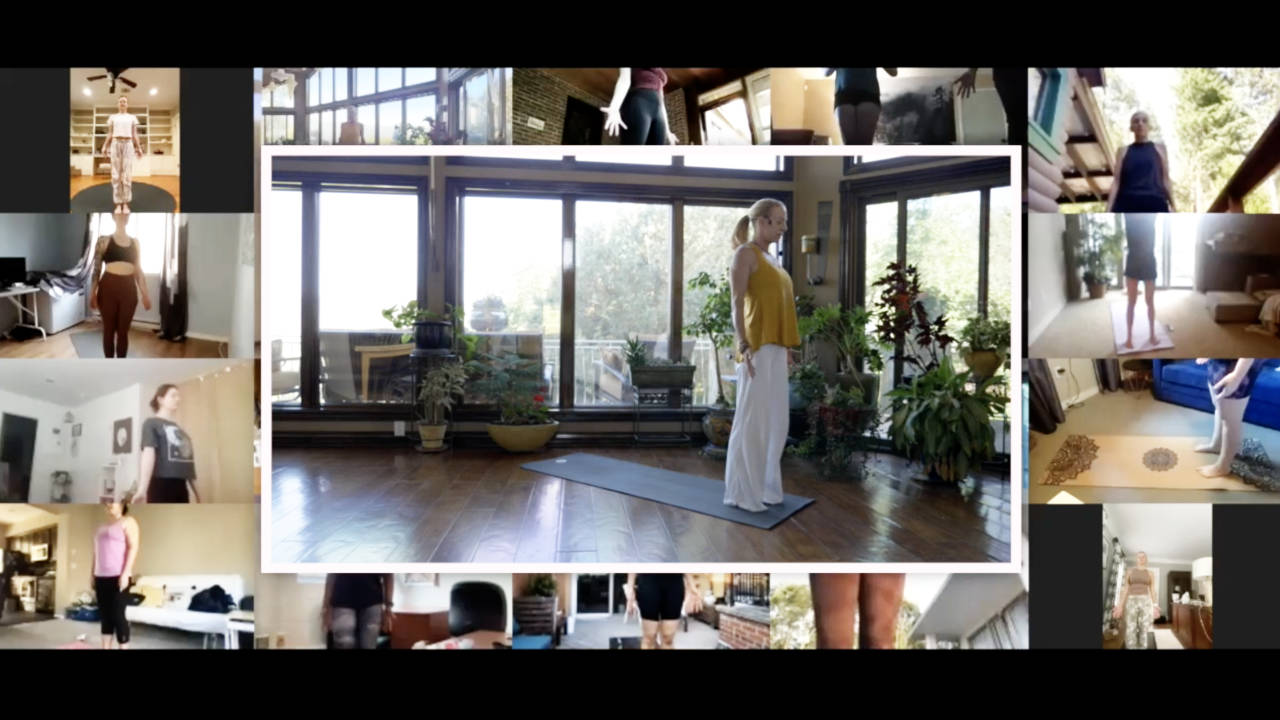
There is also a practical truth here. Many aspiring teachers need a format that works with real life. Self-paced modules, virtual mentorship, and digital practice teaching can make high-level education more accessible. A student in a small town can train with experienced teachers. A full-time professional can study without stepping away from work. A parent can learn after bedtime instead of boarding a plane.
Still, online training is not automatically better. It depends on how you learn, what support you need, and how seriously the school approaches connection.
Who thrives in an online yoga teacher training course
The students who tend to do well online are not always the ones with the most experience on the mat. They are often the ones who are willing to be consistent, honest, and self-directed. Online learning asks for personal responsibility. No one is standing beside you reminding you to finish a lecture or revisit a practice lab.
If you enjoy moving at your own pace, revisiting material, taking notes in quiet spaces, and integrating teachings over weeks or months, an online format can feel deeply supportive. It can also be ideal if you need emotional spaciousness. Some students process big personal shifts during training, and having the ability to pause, reflect, and return can be a gift.
If you know you need constant external structure, immediate feedback in every moment, or the energy of a physical room to stay engaged, online learning may feel harder. That does not mean it is the wrong choice. It means you should look for a program with live calls, mentoring, community touchpoints, and clear accountability.
The format matters less than the container. A thoughtful container can make digital learning feel connected, embodied, and alive.
What to look for before you enroll
Not all programs carry the same depth. Some are built to move students through quickly. Others are designed to support real transformation, which takes more intention. Before enrolling, pay attention to how the training speaks about yoga itself. If the language centers only on certification, income, or finishing fast, that tells you something.
A more grounded program will show you its values. It will talk about lineage with care, teaching with integrity, and the lived experience of practice. It will make space for philosophy and ethics, not just posture breakdowns. It will help you understand that teaching yoga is not performing knowledge. It is learning how to guide with presence, humility, and discernment.
You should also look closely at faculty support. Can you ask questions and receive meaningful feedback? Are there chances to practice teach and be seen? Is there a sense of community, or are you mostly alone with prerecorded videos? Self-paced does not have to mean isolated.
Credentialing matters too. If your goal includes teaching professionally, a Yoga Alliance-recognized pathway may be important. But recognized hours are only part of the picture. A credential can open a door, yet your confidence, clarity, and voice are what help you stay in the room once that door opens.
The difference between information and transformation
A lot of teacher trainings teach information. Fewer create transformation. You can feel the difference.
Information-based training gives you concepts, posture lists, and assignments to complete. Transformation-based training asks how yoga is moving through your body, your choices, your relationships, and your way of listening. It treats teaching as an extension of practice, not a separate performance.
For many modern students, this distinction is everything. They are not looking for a fitness script. They want to understand cueing and anatomy, yes, but they also want to teach from an honest center. They want their classes to feel grounded, spacious, and real. That kind of teaching cannot be copied. It is cultivated.
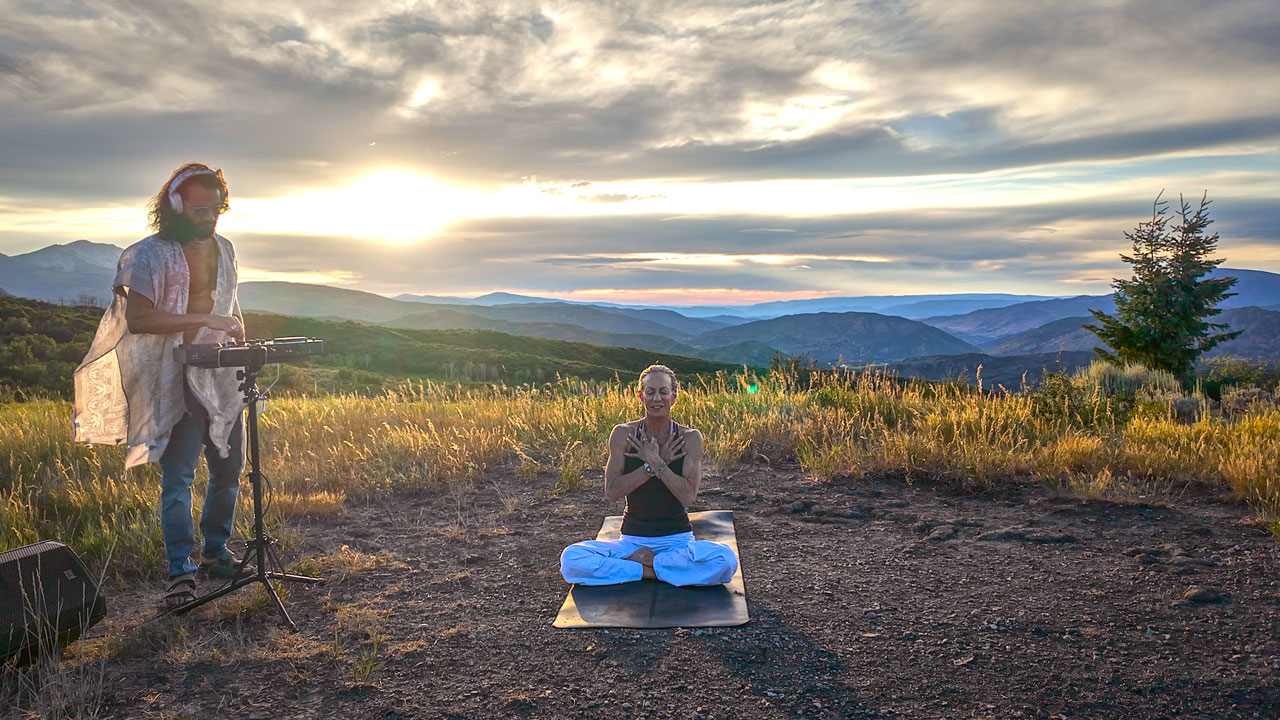
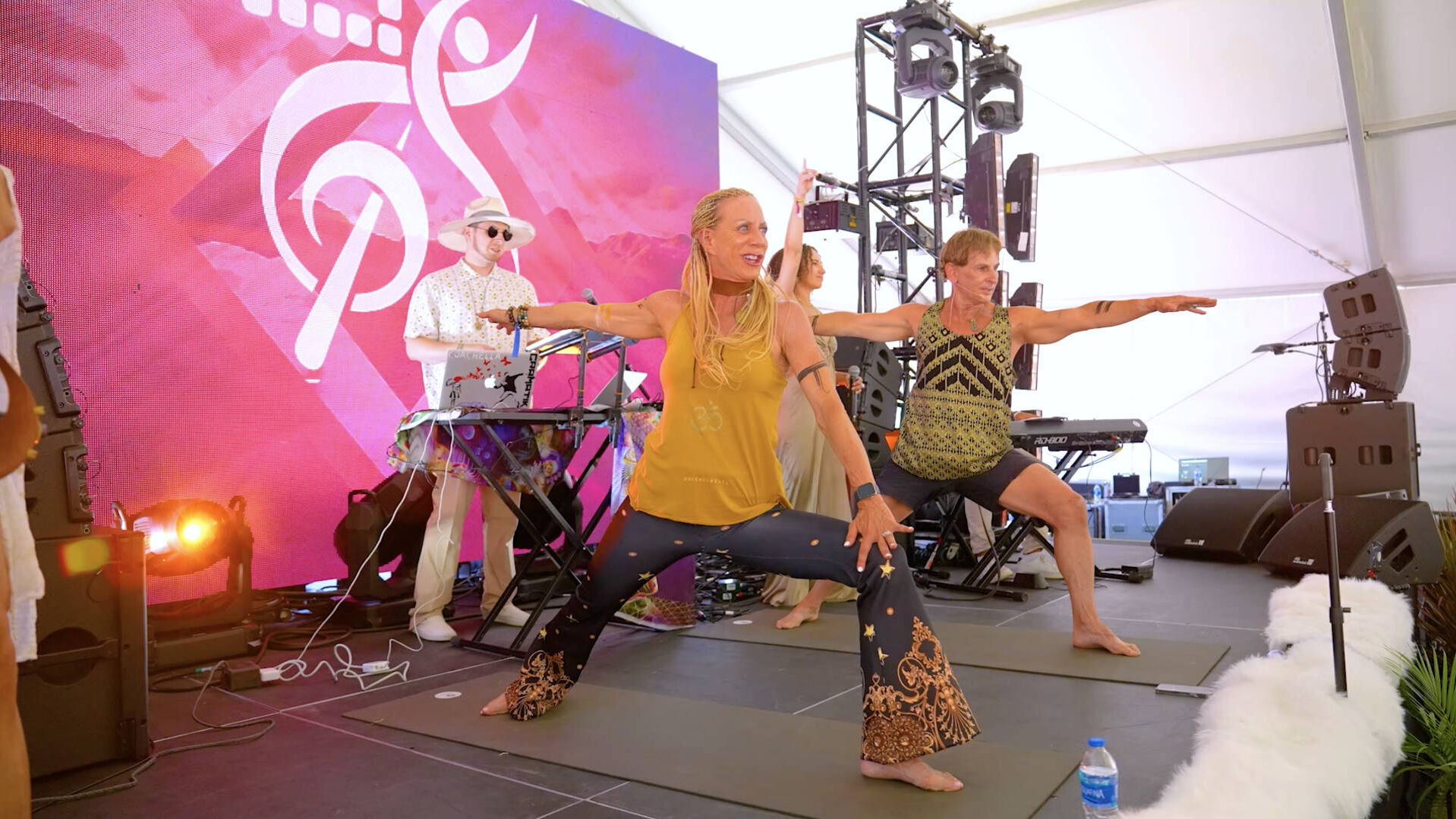
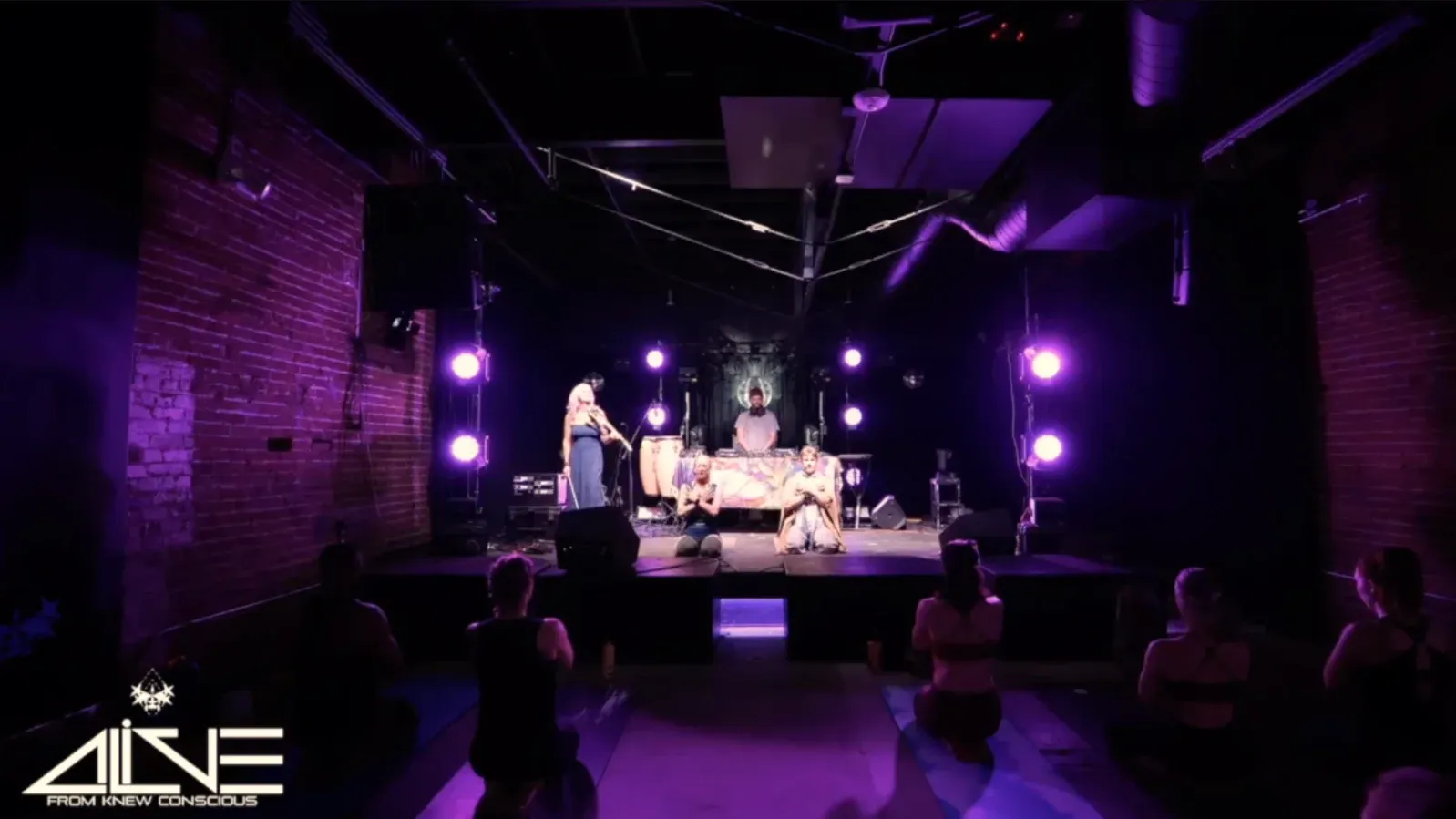
This is where artistic and spiritual dimensions can become powerful. Music, rhythm, meditation, breath, and ritual can help students access learning beyond the analytical mind. When used with care, these elements do not distract from yoga education. They deepen embodiment and help students remember that teaching is both study and expression.
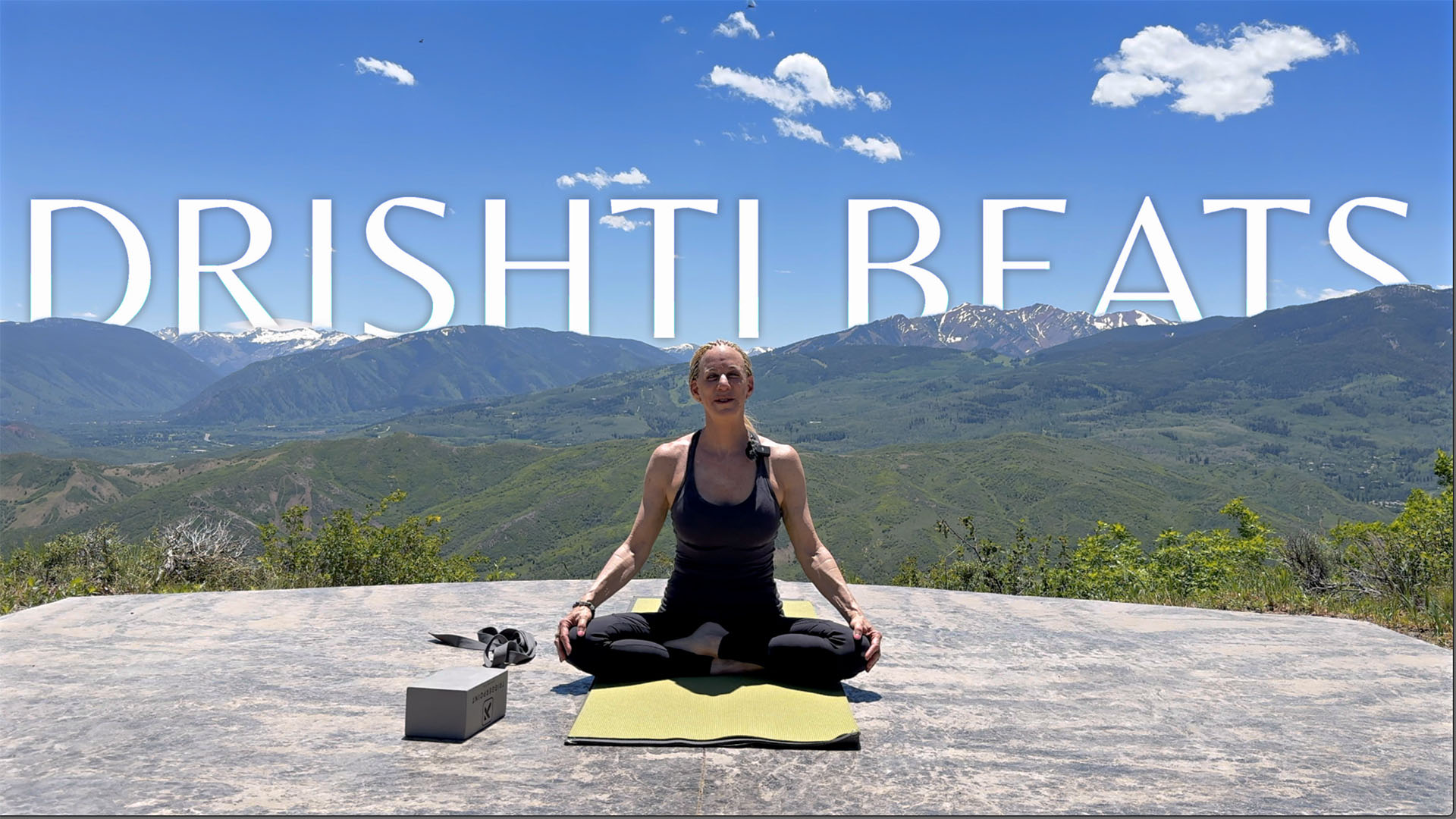
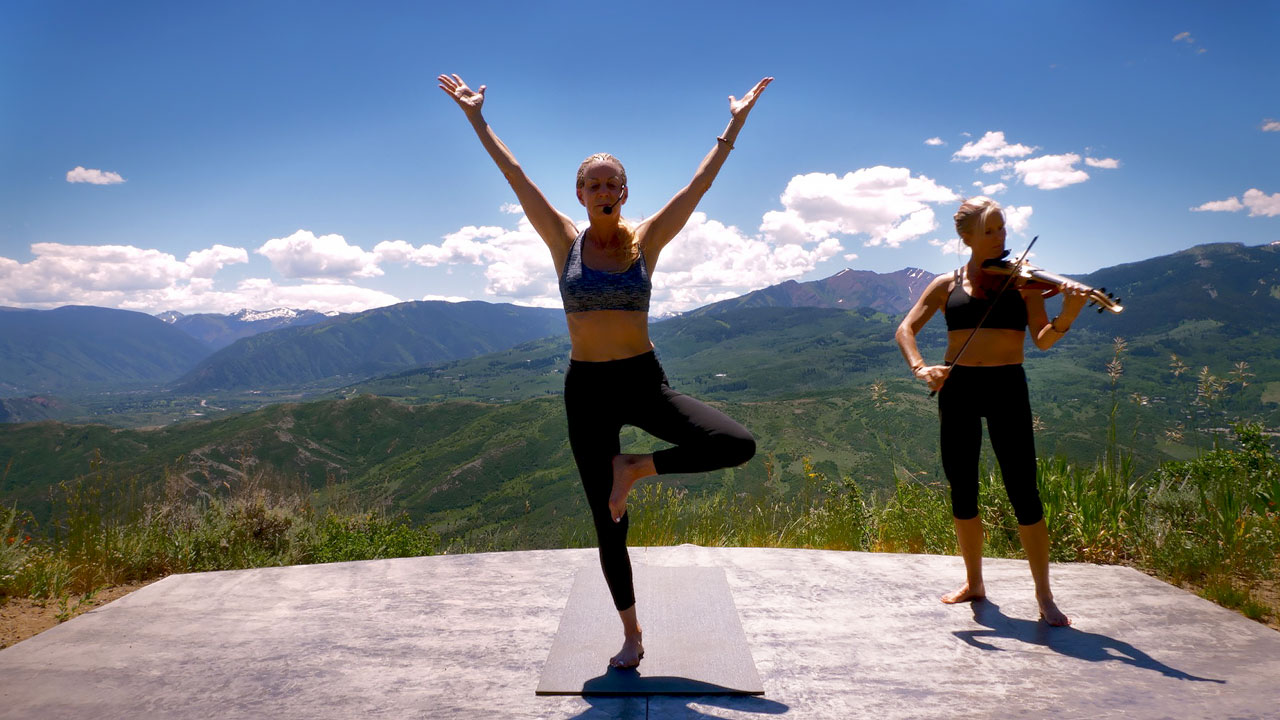
Drishti Beats speaks to this beautifully by bringing together traditional wisdom, community, and music-centered experience. For students who want certification and soul in the same space, that blend can be especially resonant.
Common concerns about online training
The biggest hesitation people have is simple: Will I actually feel prepared to teach?
That depends less on whether the training is online and more on whether it includes practice, feedback, and real integration. Watching lectures alone will not prepare you. Teaching, refining, listening, and teaching again will. A strong online school knows this and builds in ways for you to develop your voice, not just absorb content.
Another concern is connection. People worry that digital learning will feel distant or impersonal. Sometimes that is true. But online space can also create surprising intimacy. Students often share from their homes, their lived realities, and their actual routines. That can bring a grounded kind of honesty into the learning process. The key is whether the school actively nurtures community.
Then there is the question of discipline. Self-paced study sounds freeing, but freedom can become avoidance if your timing is not supported. If you know this about yourself, choose a program with milestones, live sessions, or mentorship. There is no shame in needing structure. In fact, knowing how you learn is part of practicing ahimsa with yourself.
How to know if the timing is right
You do not need to feel perfectly ready before beginning. Very few people do. What you do need is willingness. Willingness to be a beginner again. Willingness to study with reverence. Willingness to let your practice become more honest than polished.
The timing may be right if you keep returning to the idea of training, even after setting it aside. It may be right if your personal practice feels like it is asking for deeper roots. It may be right if you want to teach, but only in a way that feels aligned with your values rather than performative or rushed.
And sometimes the timing is right simply because you are ready to listen more closely to your own life. A teacher training can support that, even if you are not yet certain where it will lead.
Choosing a path that feels aligned
The most nourishing online yoga teacher training course will do more than help you complete requirements. It will invite you into discipline without hardness, spiritual depth without pretense, and community without pressure to become someone else. It will respect your schedule while still asking for your presence. It will help you build skill, but it will also remind you that your voice matters.
There is no single perfect path for everyone. Some students need a highly structured, academic approach. Others need a heart-centered container that honors creativity and inner transformation alongside strong teaching foundations. The honest choice is usually the right one.
If you are considering this step, listen for the program that feels steady in your body. Not flashy. Not rushed. Steady. The right training often feels less like a purchase and more like a quiet yes to the teacher already forming within you.